When people talk about Division I strength training, they usually mean the physical gains: bigger lifts, stronger legs, more explosive movement.
What separates elite athletes is the mindset that training builds. The weight room does not just change your body. It changes how you show up.
What does D1 strength training actually teach?
- You show up early, even when you are tired
- You focus on form, not ego
- You keep routines when no one is watching
- You get comfortable with discomfort instead of avoiding it
That discipline carries into school, relationships, leadership, and games.
How does a D1 athlete describe the shift?
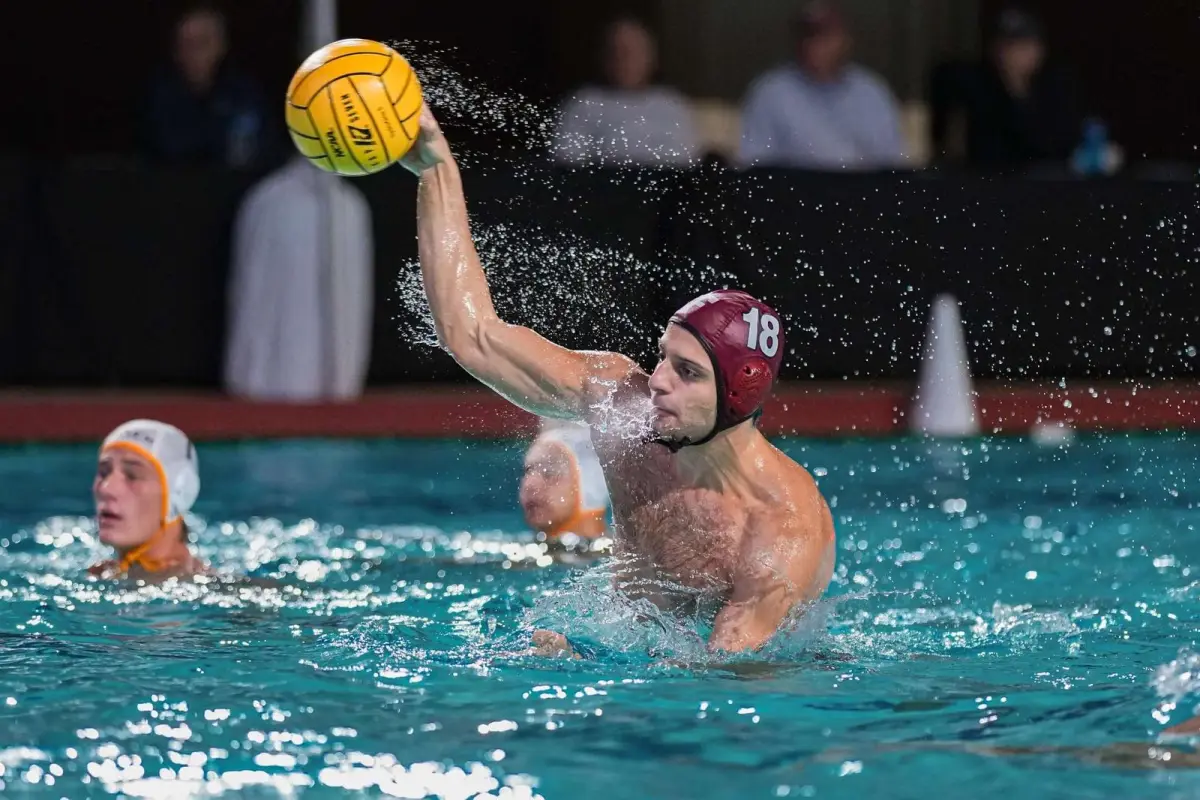
Luca Silvestri, Fordham men’s water polo captain and a two-time NCAA Final 8 athlete, played on the team that won a fifth straight MAWPC title and reached the NCAA semifinals in 2025, and was named the National Strength and Conditioning Association’s All-American Strength & Conditioning Athlete of the Year. He explains the change:
"When I first started lifting seriously, it was just about getting stronger. But the real shift happened when I stopped thinking of it as a workout and started treating it as a commitment.
Some mornings I did not want to get out of bed. But I did, because I said I would.
That habit made me a better athlete, but also a better teammate and leader. I do not lift to look strong. I lift to become someone my team can count on, in the gym, in the pool, and in life."
Luca Silvestri, Fordham men’s water polo captain
Why does consistency beat hype?
Many athletes train hard for two weeks and then fall off. The D1 difference is consistency. It is not flashy. It is the habit of honoring the work.
Elite players do not only train when they feel like it. They made a decision, and they keep it.
A simple consistency check
- Pick two or three training days a week and put them on the calendar like practice.
- Log each session: date, exercises, sets, reps, and one note on how it felt.
- Every four weeks, compare your log. Look for more sessions completed, not just heavier weights.
Why does this matter for young water polo athletes?
If you are 13 to 17 with college goals, this mindset is a real edge. Anyone can do one hard session. Few stay with a plan for a whole season.
Learn that before college and you are ahead of much of the field. College coaches notice athletes who arrive already knowing how to train.
Put the mindset to work with squats for water polo elevation and pull-ups for shot power and shoulder durability, and protect your shoulders with the shoulder injury prevention guide.
Want a strength plan that builds more than muscle?
Join a live session with our Division I strength staff. See this month’s sessions or book a free call.