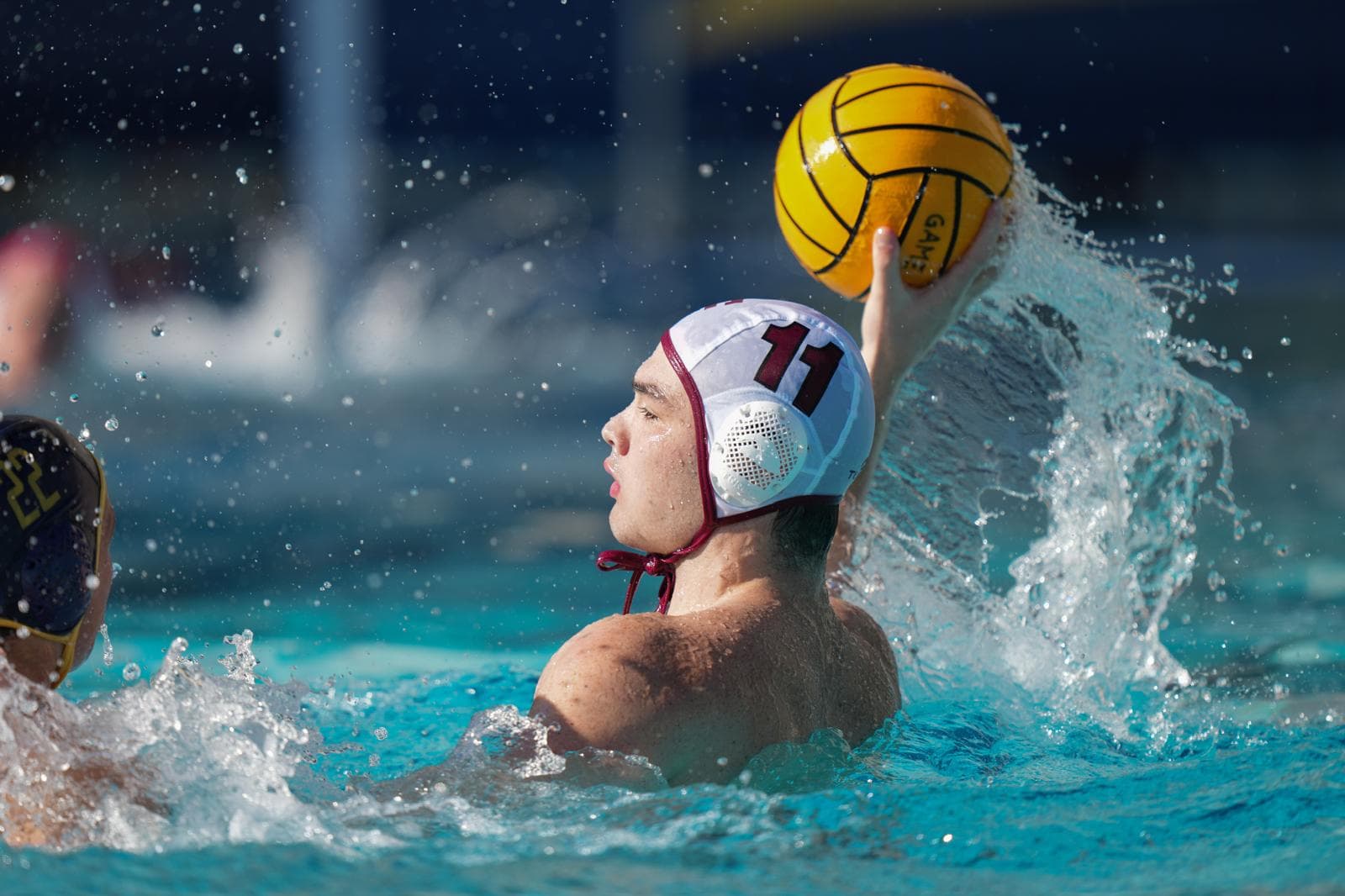
For NCAA Division I water polo, coach communication is generally tied to June 15 after an athlete’s sophomore year. For Division I official and unofficial visits, families should plan around August 1 before junior year. Always verify the latest NCAA, division specific, and school specific rules because recruiting calendars and policies can change.
Rules can change
Recruiting rules can change by year, division, and school. Families should use this guide as a helpful overview, but should always confirm the latest rules with the NCAA, the school, and the specific college program.
Quick answer: when can college water polo coaches contact athletes?
For Division I water polo, college coaches generally cannot have direct recruiting communication with athletes until June 15 after sophomore year.
Before that date, athletes can still prepare. They can build a school list, collect game film, create a highlight video, improve grades, learn how recruiting works, and send introductory emails. Coaches may be limited in how they can respond, but early preparation still matters.
For Division I official and unofficial visits, families should generally look to August 1 before junior year. For Division II and Division III, rules can differ, so families should confirm the current rules for each division and school.
The recruiting timeline families should know
| Stage | What to focus on |
|---|---|
| Before high school or early high school | Athletes should focus on development first: improve game IQ, collect film, build strength and mobility, learn basic recruiting terms, and keep academics strong. |
| Freshman year | Start learning the recruiting process. Build good habits around film, grades, tournament schedules, and communication. This is also a good time to begin researching schools and understanding what different college levels look like. |
| Sophomore year | Athletes can begin preparing more seriously. Build a school list, update film, create a simple athletic profile, and start learning how to write clear emails to coaches. |
| June 15 after sophomore year | This is the major Division I communication date for water polo. Coaches can generally begin direct recruiting communication with athletes after this point, but families should verify current NCAA rules and school specific policies. |
| August 1 before junior year | For Division I water polo, athletes can generally begin taking official and unofficial visits. Families should confirm the latest NCAA rules and each school’s policies before planning visits. |
| Junior year | Athletes should continue sending updates, sharing film, attending camps or showcases when appropriate, and asking good questions during coach communication. This is also when visits become more relevant. |
| Senior year | Athletes should keep communicating, update coaches with film and academic progress, complete applications, compare fit, and understand financial aid, roster spots, and commitment timelines. |
What athletes can do before June 15
Athletes do not need to wait until June 15 to prepare. The best recruits usually have good habits before coaches are allowed to communicate directly.
- Collect full game film, not just highlights
- Build a simple highlight video and athlete profile
- Research schools by academics, location, level, roster needs, and team culture
- Track tournament schedules and jersey numbers
- Keep grades strong and understand NCAA eligibility basics
- Practice writing short, clear, personal emails to coaches
- Learn what college coaches look for in your position
- Keep improving strength, mobility, conditioning, and water polo IQ
Can athletes email coaches before June 15?
Yes. Athletes can usually send emails to college coaches before June 15 after sophomore year. The important thing to understand is that coaches may be limited in how they can respond until the permitted contact date.
That does not mean early emails are useless. A clear email with your name, grad year, position, team, academic information, film, and upcoming schedule can help a coach begin to recognize your name. The goal is not to force a reply. The goal is to stay organized, show maturity, and make it easy for coaches to evaluate you when communication is allowed.
Why recruiting education matters before coaches respond
Recruiting rules tell families when communication can happen. They do not tell athletes what to say, what film to send, how often to follow up, or how to understand whether a school is a real fit.
That is where education matters. Athletes should learn how current college players handled the process, what emails they sent, how they built relationships with coaches, and what they wish they understood earlier.
Prep2Play sessions include live recruiting webinars with current college players and college coaches. Athletes and parents can ask questions live, hear real recruiting stories, and watch the replay later if they cannot attend live.
Contact periods, dead periods, and recruiting shutdowns
Recruiting calendars can include different periods that affect how coaches communicate, evaluate, or meet with recruits. The exact details can vary by division, sport, and year, so families should always check the current NCAA calendar.
| Period | What it generally means |
|---|---|
| Contact period | A time when coaches may have more direct recruiting contact within NCAA rules. |
| Evaluation period | A time when coaches may be able to watch athletes compete or evaluate them, but certain types of contact may still be limited. |
| Quiet period | A time when in person recruiting contact may be limited to the college campus. |
| Dead period | A time when in person recruiting contact and evaluations are not allowed, and official or unofficial visits may not be permitted. |
| Recruiting shutdown | A time when no form of recruiting activity is allowed, including contacts, evaluations, official visits, unofficial visits, correspondence, and phone calls. |
Even during limited contact periods, athletes can often keep preparing by improving film, updating schedules, and staying organized.
Common recruiting rule mistakes
Waiting until coaches can contact you to get organized
Do not wait until June 15 to collect film, research schools, or understand the process.
Assuming no reply means no interest
Before certain dates, coaches may not be able to respond the way families expect. Even later, coaches are busy and may need multiple updates over time.
Sending generic emails
Coaches can tell when an email was copied and pasted. Athletes should be short, clear, and specific about why they are interested in that program.
Only sending highlights
Highlights matter, but coaches often want to see full game context, decision making, effort away from the ball, defense, and how athletes respond after mistakes.
Forgetting academics
Recruiting is not only athletic. Grades, eligibility, test scores when relevant, and academic fit can affect opportunities.
A note for parents
Parents can help by keeping the process organized without taking over the athlete’s voice. Help your athlete track schools, film, deadlines, applications, and communication, but let them learn how to write emails, ask questions, and speak with coaches.
College coaches want to see maturity, communication skills, coachability, and ownership. The more an athlete can lead the process appropriately, the better prepared they will be for college.
For the full process, read the complete guide to college water polo recruiting. For outreach help, use our water polo recruiting email template.