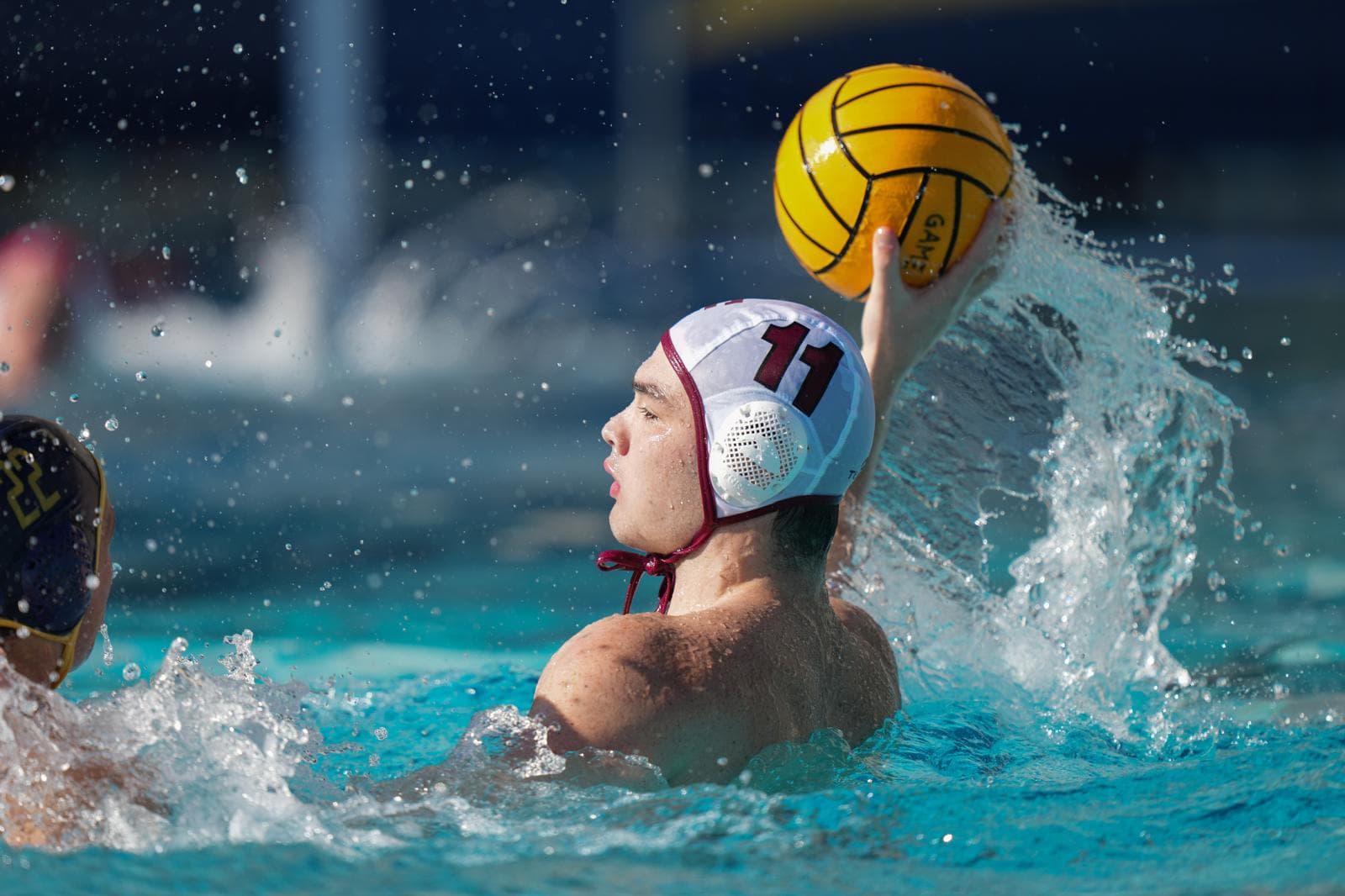
Every year, hundreds of talented water polo athletes miss out on college opportunities. Not because they are not good enough, but because they do not know how the recruiting process actually works or how to show their Game IQ.
This guide was built by D1 athletes and coaches who have lived the process. It covers everything from NCAA timelines and rules to the outreach strategies and game film that actually get responses from college coaches.
Why most water polo athletes fall through the cracks
Water polo is not football or basketball. College coaches do not have massive recruiting budgets, nationwide scouting networks, or unlimited time. If you are not on their radar, they do not know you exist.
Parents often turn to platforms like NCSA college recruiting hoping for clarity, but quickly find themselves working with advisors who have never played college water polo. These services create a profile and tell you coaches will come find it. The reality is that most top programs do not recruit through those platforms.
Most free college sports recruiting websites offer generic checklists that apply to every sport. None of it tells you how to stand out as a water polo player specifically.
Here is what actually moves the needle:
- Building a coach-ready highlight reel that shows game IQ, not just goals
- Writing personalized outreach emails to coaches at programs you actually want
- Following up consistently without being pushy
- Understanding what college coaches want at your specific position
- Avoiding timeline mistakes that cost you a roster spot
The water polo recruiting timeline
One of the most common mistakes is starting too late. At Prep2PlaySports, we believe the recruiting process begins as early as 7th grade, because getting recruited is not just about exposure. It is about becoming the kind of player coaches want.
| Grade | Focus | Key Actions |
|---|
| 8th–9th | Build the foundation | Film games, develop skills and Game IQ, research programs, send intro emails |
| 10th | Ramp up outreach | Update highlight reel with Game IQ clips, email coaches, attend ID camps, start unofficial visits |
| 11th | The critical window | Follow up with coaches, register with NCAA, take SAT/ACT, schedule official visits |
| 12th | Close the deal | Narrow your list, complete applications, sign your NLI |
From camps to coach-ready film
Camps can help athletes improve and get seen, but attending a camp is only one part of a recruiting plan. Families should connect each event to better film, clearer outreach, and a specific next step for Game IQ.
1. Choose camps with a purpose
Look for camps, showcases, and clinics that match your athlete’s position, age, level, and target schools. Before registering, write down what you want to learn or demonstrate so the event has a clear Game IQ goal.
2. Build a short highlight video
Use two to three minutes of clear game footage. Make sure coaches can identify the athlete, position, graduation year, team, and cap number. Include full-game film when available so coaches can evaluate decisions, defense, communication, and effort away from the ball—not just goals. For selection help, review how to make a water polo highlight video that gets you recruited.
3. Send a personal coach email
Introduce the athlete briefly, explain why the program is a fit, and include the highlight video, full-game film, academic information, and upcoming tournament schedule. Use the water polo recruiting email template for a clear structure, then add a specific detail about the athlete’s Game IQ or development.
4. Track follow-up dates
Keep a simple list of schools, contacts, emails, film links, camps, and next actions. Send useful updates when there is new film, a tournament schedule, an academic update, or measurable improvement in Game IQ.
5. Review what coaches may see
Film review helps athletes understand whether their decisions, positioning, communication, and effort match what college coaches are evaluating. Use the recruiting email template and live Prep2Play film-review sessions to improve the next update.
8th and 9th grade: build the foundation
- Start filming games and saving your best clips
- Focus on skill development, strength, and nutrition habits
- Research college programs and make a list of schools that interest you
- Send introductory emails to coaches you admire, even if it feels early
- Attend local and regional showcases to gain competitive experience
10th grade: ramp up outreach
- Build or update your highlight reel with recent footage
- Email coaches with a personalized message, your video link, GPA, and upcoming tournament schedule
- Attend ID camps and showcases where college coaches are present
- Start unofficial visits to campuses that interest you
Critical NCAA Date
- Division 1 coaches can officially respond to you starting June 15 after your sophomore year. Be in their inbox before that date so your name is already familiar.
11th grade: the critical window
- Follow up with every coach you have contacted, update them on your progress
- Send updated highlight reels after each season
- Register with the NCAA Eligibility Center
- Take the SAT or ACT and ensure you are meeting NCAA core course requirements
- Schedule official visits and attend elite showcases
12th grade: close the deal
- Narrow your list and communicate clearly with your top programs
- Complete applications and financial aid paperwork
- Sign your National Letter of Intent during the early or regular signing period
How to email a college water polo coach
Your first email to a coach is your first impression. If it looks like it was copied and pasted to 30 coaches, it is going straight to the trash.
Coaches get dozens of recruiting emails a week. They are not looking for spam. They are looking for athletes who show real interest and stand out quickly.
What to include in your first email
- Your name, graduation year, position, and location
- Why you are reaching out and why you are interested in their specific program
- A highlight video link (YouTube or Hudl)
- Academic info: GPA, test scores, intended major
- Upcoming tournaments or camps where they can see you play
- Swim times if available
Do
- Personalize every email with details about their program
- Keep it to five or six sentences — be concise
- Include a highlight video link and your academic info
- Follow up every four to six weeks with updates
Don't
- Copy-paste the same email to 30 coaches
- Write an essay — coaches do not have time
- Forget to include your highlight video
- Give up after one email with no reply
Example outreach email
"Hi Coach [Name], my name is [Your Name], a 2027 lefty driver from [City, State]. I have been following [University] water polo and I admire the way your team plays. My GPA is [X.X] and I play with [Club Team]. Here is my highlight video: [link]. I will be at [Tournament Name] on [Date] and would love the chance to connect. Thank you for your time."
Example recruiting email
The key is specificity. Mention something about their program that shows you have done your research. Then follow up every four to six weeks with updates.
Building a highlight reel that coaches actually watch
Your highlight reel is often the first thing a coach clicks. A bad video can end the conversation before it starts.
- Keep it under three to four minutes
- Lead with your best plays in the first 30 seconds
- Show game IQ and decision-making, not just goals
- Include a variety of skills: shooting, defense, passing, transition
- Use clear, steady footage and identify yourself with an arrow or jersey number
- Add a title card with your name, grad year, position, club team, and contact info
If you want a coach-ready reel built with help from someone in our network, one of our own mentors also offers recruiting video creation through Elite Highlights video packages.
Update your reel at least once per season. Coaches want to see recent footage that reflects your current level.
The three biggest recruiting mistakes
Mistake 1: Waiting too long to start
- The mindset of "if I am good enough, coaches will find me" destroys opportunities.
- Water polo does not have the scouting infrastructure of football or basketball. You have to put yourself out there.
- Start building your profile by 9th or 10th grade. Film every game. Get comfortable sending emails.
Mistake 2: Sending generic emails
- Personalize your subject line and explain why you are interested in their program.
- Attach your highlight video and academic information.
- Follow up consistently. If a coach does not reply, it means they are busy, not uninterested.
Mistake 3: Ignoring academics
- Keep your GPA above 3.5 to unlock recruiting and scholarship opportunities.
- Prep for the SAT or ACT even if target schools are test-optional.
- A strong GPA tells coaches you will be admitted easily and could qualify for academic scholarships.
NCAA eligibility requirements
To compete at the NCAA level, you must meet specific academic standards through the NCAA Eligibility Center.
| Requirement | Division 1 | Division 2 | Division 3 |
|---|
| Core courses | 16 NCAA core courses | 16 NCAA core courses | Set by each school |
| Minimum core GPA | 2.3 | 2.2 | Varies by school |
| Test scores | Sliding scale with GPA | Minimum SAT/ACT required | Not required by NCAA |
| Eligibility Center | Required | Required | Not required |
| High school diploma | Required | Required | Required |
What college water polo coaches actually look for
Coaches evaluate more than raw talent. Here is what they care about:
- Game IQ and decision-making under pressure
- Coachability and willingness to learn
- Consistency, not just highlight-reel moments
- Academic eligibility and character
- Communication skills and initiative in the recruiting process
- Physical development and training habits
"When I was being recruited, the coaches who eventually offered me already knew my name from emails I had sent the year before. I personalized every single one. I told them why I wanted to be part of their program specifically. That effort mattered more than any single tournament performance."
Mark Katsev, Prep2PlaySports Founder and former D1 water polo player
NCSA recruiting vs. sport-specific mentorship
Platforms like NCSA help organize your recruiting data, and that has value. But there are real limitations:
- NCSA advisors are generalists who typically have not played college water polo
- Most top programs do not actively recruit through profile-based platforms
- The process often does not start early enough
- Generic advice does not address the unique challenges of water polo recruiting
At Prep2PlaySports, we take a different approach. Our mentors are current and former D1 water polo athletes who have been through the exact process you are navigating. They provide:
- Personalized recruiting strategy sessions
- Highlight video review and editing advice
- One-on-one mentorship with current D1 players who play your position
- Game film breakdowns with athletes who compete at the highest level
- A proven roadmap built by people who have lived it
The recruiting process does not start when you send your first email. It starts the moment you decide to become the kind of player coaches want. That means training like a college athlete now: fueling with purpose through proper hydration, building real strength, and studying your game film with mentors who know what elite looks like.
How to get your free water polo recruiting guide
We have put together a downloadable recruiting guide that covers timelines, outreach templates, highlight reel tips, and a step-by-step action plan for every grade level.
Download the free Prep2PlaySports Water Polo Recruiting Guide
Get the guide now — it includes email templates, a recruiting timeline checklist, and advice from D1 athletes.
Stop guessing, start building
If you are serious about college water polo, you cannot afford to wait and hope things fall into place. The athletes who get recruited are the ones who start early, stay consistent, and get the right guidance.
Our free recruiting guide shows you how to take control of the process. Our mentorship program gives you the tools, feedback, and confidence to get there.
Ready to start your recruiting journey?
Book a free call with our team and get a personalized plan.